
On April 21, 2026, YouTube announced another step in the fight against deepfake videos: its AI-based likeness detection technology became available to representatives of the entertainment industry — celebrities, talent agencies, and management companies. Now any public figure in show business can track unauthorized use of their face in AI-generated content — even if they do not have their own YouTube channel.
What Likeness Detection is and how it works
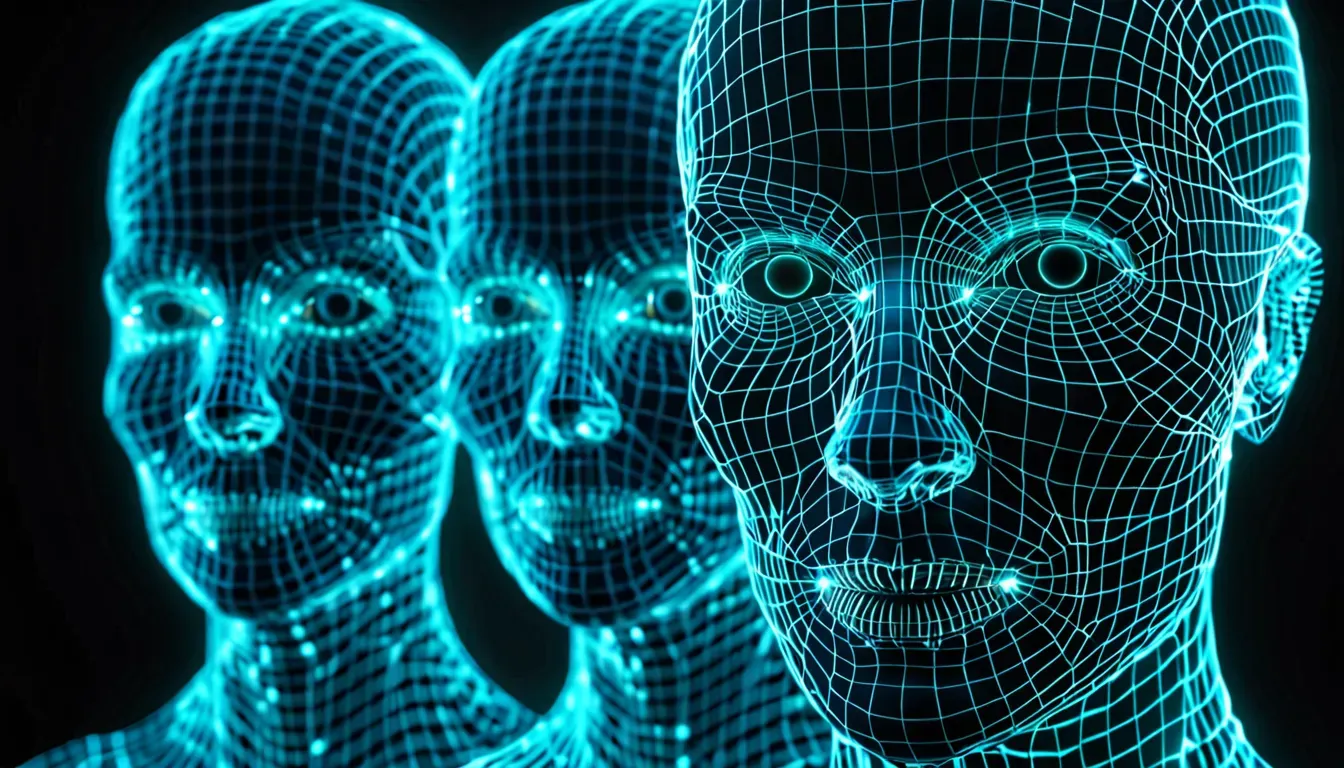
YouTube Likeness Detection is an automated video-scanning system that looks for the faces of registered participants in videos uploaded to the platform. Its working principle is similar to the already familiar Content ID system, which detects copyrighted content and allows rightsholders to monetize or remove such videos.
Only now, instead of music or films, the system protects the faces of real people.
What happens after a match is detected
If the system finds a video in which the likeness of a registered participant has been recreated or generated by artificial intelligence, that person is given several options:
- Submit a removal request under YouTube’s privacy policy
- File a copyright complaint if the video uses protected material
- Do nothing if the content does not harm the person’s reputation or is acceptable parody
Important: YouTube does not guarantee the removal of all detected content. The platform traditionally allows parody, satire, and material that serves the public interest.
Who got access to the tool in April 2026
The current expansion is the fourth stage of the gradual rollout of Likeness Detection. To understand the context, it is worth seeing the full timeline.
| Stage | Date | Who got access |
|---|---|---|
| Pilot | December 2024 | Test in partnership with CAA: A-list actors and athletes |
| 1st launch | October 2025 | YouTube Partner Program participants (4 million channels) |
| 2nd launch | March 2026 | Journalists, politicians, government officials |
| 3rd launch | April 2026 | Celebrities, talent agencies, show business |
The critically new point at this stage: a YouTube channel is no longer required. A celebrity can register and protect their likeness even if they have never uploaded a video to the platform.
Support for the new tool has already been confirmed by leading talent agencies: CAA, UTA, WME, and Untitled Management — companies representing thousands of Hollywood stars.
Why this is needed — the real deepfake problem
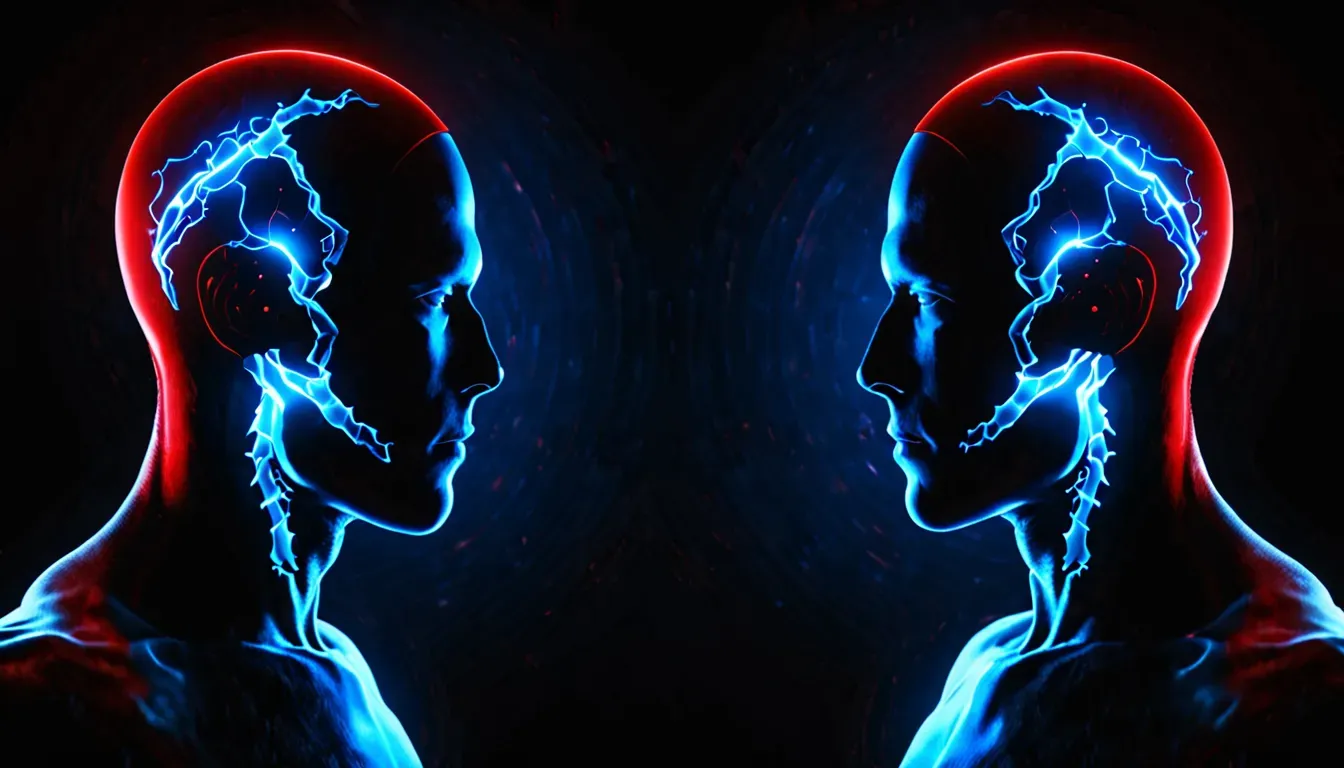
Celebrity deepfakes are not a theoretical threat. They are already an everyday reality that causes real damage.
The most common scenario: fraudulent promotional videos in which the face and voice of a famous person are used to promote products, financial schemes, or fake giveaways. Victims of such attacks — from Hollywood stars to well-known YouTubers — often learn about them from their own followers rather than from the platform.
A notable documented case: Elecrow used an AI-cloned voice of YouTuber Jeff Geerling to promote its products — without any consent. Removing such videos manually took days, while the damage to reputation and audience trust had already been done.
How to register in the protection system
For YouTubers in the Partner Program
Participants in the YouTube Partner Program get access through YouTube Studio. Step by step:
- Open YouTube Studio on a computer
- In the left-hand menu, choose “Content detection” → “Likeness”
- Click “Start now” and consent to the use of biometric technologies
- After that, the system independently scans uploaded content
For celebrities and public figures without a channel
Verification for this category is stricter — to protect against abuse. You need to:
- Upload a selfie and an identity document
- Pass YouTube identity verification
- After confirmation, get access to the dashboard with matches
YouTube emphasizes: the data collected during verification is used exclusively for identity verification and operation of the feature. It is not used to train Google AI models. You can opt out of the service at any time — scanning will stop within 24 hours.
Limitations and important nuances
The system is not a panacea. A few things are worth understanding clearly.
Not everything detected will be removed. YouTube preserves its tradition of protecting freedom of expression: parody, satire, and critical material may remain even after a request. YouTube Vice President of Public Policy Leslie Miller commented: “YouTube has a long tradition of protecting freedom of expression — including parody and political criticism. If a video about a world leader is clearly parody, it will most likely remain.”
Accuracy is still being improved. The system may show “false matches” — real videos featuring the participant’s face that are not deepfakes. Such content cannot be removed under privacy rules, but a copyright complaint can be submitted.
Voice is the next step. At the moment, the system detects only visual matches. YouTube confirmed plans to expand Likeness Detection to audio in 2026 — this will cover AI voice cloning.
Legislative context: NO FAKES Act
YouTube is not only developing its own tool — the company is also actively lobbying for similar protection at the legislative level. The company supported the NO FAKES Act in the U.S. Congress, a bill regulating the use of artificial intelligence for unauthorized reproduction of someone’s voice or likeness.
If the law is passed, it will become the first federal law in the United States to directly regulate deepfakes of private individuals. This will matter not only for Hollywood, but for everyone whose face or voice may be used without permission.
What this means for the future of AI content

The expansion of Likeness Detection is part of a broader trend: platforms are gradually building infrastructure to manage content generated by artificial intelligence. YouTube is moving most aggressively here among major video platforms.
The next steps announced by YouTube:
- Expanding detection to voice clones (audio version)
- Protection of intellectual property — popular characters and signature elements
- The possibility of preventive blocking of uploads (before publication)
- An option for monetizing deepfakes — similar to Content ID, where the author can receive revenue instead of removing the content
The last point is the most interesting. If a celebrity can monetize deepfakes the same way a musician monetizes someone else’s covers, it will radically change the relationship between public figures, content creators, and the platform.
In brief: the key points about YouTube Likeness Detection 2026
- What’s new: The tool has been expanded to celebrities, talent agencies (CAA, UTA, WME), and show business
- No channel required: Public figures can protect themselves without having their own YouTube
- Principle: Like Content ID, but for a face — AI scans uploaded content for matches
- Actions: Removal request, copyright complaint, or monitoring
- Limitations: Parody and satire are protected; removal is not guaranteed
- Future: Voice, preventive blocking, monetization of deepfakes
Article prepared by the TechVisor team — practical IT media for people.