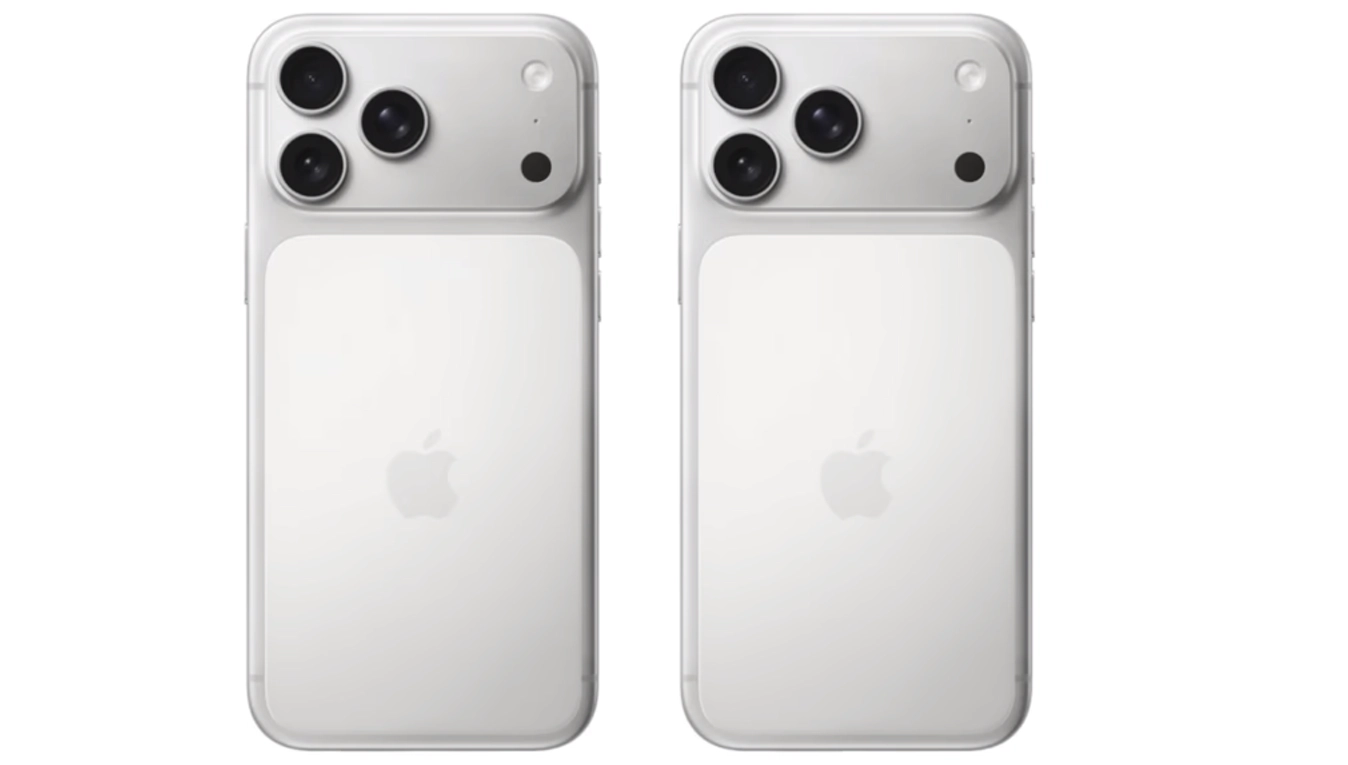

On April 23, the well-known Chinese tipster Digital Chat Station published on Weibo a full roadmap of camera upgrades for future iPhone Pro models. For the first time, we are seeing not just rumors about a single smartphone, but a coordinated three-year plan in a row: 2026, 2027, and 2028. And if this information is confirmed, the iPhone Pro is in for the most significant hardware camera transformation of the past decade.
iPhone Pro camera roadmap: three years, four innovations
Here is the full plan, according to the leak:
| Year | Model | New camera feature |
|---|---|---|
| 2026 | iPhone 18 Pro / 18 Pro Max | Variable aperture on the main camera |
| 2027 | iPhone 19 Pro | 200 MP main camera + 1/1.12″ sensor |
| 2027-2028 | iPhone 19 or 20 Pro | OIS for the ultrawide camera (gimbal-like stabilization) |
| 2028 | iPhone 20 Pro | 200 MP periscope telephoto lens |
As a result, the iPhone 20 Pro (the 2028 model) would have two 200 MP cameras at once — the main camera and the telephoto lens. That is radically different from the current 48 MP setup in the iPhone 17 Pro.
Variable aperture — the main new feature of the iPhone 18 Pro
What variable aperture is and why it matters
The current iPhone 17 Pro has a fixed f/1.78 aperture on its main camera. This means the amount of light reaching the sensor is always the same — regardless of shooting conditions.
A variable aperture allows the lens opening to be physically changed. A smaller opening (f/2.8, f/4) gives greater depth of field and less overexposure in bright scenes. A larger opening (f/1.4, f/1.6) lets in more light and gives better background blur. This is exactly the kind of control photographers get with DSLR and mirrorless cameras.
Variable aperture previously appeared in smartphones with the Samsung Galaxy S9 (2018), but back then it had only two positions and later disappeared from flagships. Apple, judging by everything, is approaching this technology in a more mature way — with a full range of positions and close integration with computational photography.
Production of variable-aperture modules has already begun — orders have been split between Largan and Sunny Optical.
What this will bring in practice
- Better bokeh in portraits without algorithmic “fake” depth of field
- More precise control over overexposure in bright daylight
- More natural rendering of lights in night shots
- An experience closer to what photographers get with full-size cameras
iPhone 19 Pro (2027): 200 MP main camera and a large sensor

200 MP — why it matters and what it changes
The current iPhone 17 Pro has a 48 MP main camera. The jump to 200 MP is not just a marketing number. The main advantage is cropping without losing detail. You can shoot at the full 200 MP and then crop out the part you need — and still get an image with detail comparable to a competitor using optical zoom.
For comparison: Xiaomi, Vivo, and Samsung Galaxy Ultra models have been using 200 MP telephoto cameras for years and achieve striking detail in zoomed shots. The iPhone 17 Pro lags behind in this respect — and Apple is clearly acknowledging that.
What a 1/1.12-inch sensor means
Sensor size is a key indicator of photo quality, even more important than megapixel count. A 1/1.12″ sensor is one of the largest in smartphones — it is already used in 2026 flagships like the Oppo Find X9 Ultra and Vivo X300 Ultra (likely the Sony LYTIA 901).
A larger sensor = more light hitting each pixel = less noise in the dark = better dynamic range. For the iPhone Pro, which traditionally leans toward natural colors rather than aggressive HDR processing, this will be a noticeable step forward.
OIS for the ultrawide: stabilization finally everywhere
One of the biggest hidden drawbacks of modern iPhones is the lack of optical image stabilization (OIS) on the ultrawide lens. Because of this, video while moving or photography in low light on the ultrawide camera falls significantly behind the main camera.
The leak points to “gimbal-like” OIS — meaning stabilization where the sensor itself moves, not just the lens. This approach is used, for example, by Xiaomi in some of its flagships and produces some of the best results among all types of stabilization.
The timeframe is 2027 or 2028.
iPhone 20 Pro (2028): two 200 MP lenses at once
In 2028, the already existing 200 MP main camera will be joined by a 200 MP periscope telephoto lens. A periscope design makes it possible to fit a long optical path into the thin body of a smartphone — this is what enables 5x, 10x, and greater optical zoom without increasing the thickness of the phone.
Two 200 MP lenses — a main camera and a telephoto — will turn the iPhone 20 Pro into a camera that, in some scenarios, will compete with full-size systems. Especially in long-distance shots and detailed crops.
For comparison: the Samsung Galaxy S25 Ultra already has a 200 MP main camera. The iPhone is catching up — but two years later.
Why Apple releases features one drop at a time

GSMArena aptly noted: “it’s frustrating that Apple is rolling out new features drip by drip.” This is a fully deliberate strategy.
First, every new technology needs time to be refined to Apple’s standards: production scaling, firmware optimization, integration with computational photography. Apple is rarely first, but almost always among the best in execution.
Second, for business this is the ideal model: each annual refresh has a convincing reason to upgrade. If everything came at once — why upgrade again for the next three years?
Third, a three- or four-year cycle of meaningful updates with a clear roadmap is a powerful marketing narrative. “Buy now and get the first step, buy in two years and get everything” — logic that drives sales throughout the whole cycle.
In brief: what appears in iPhone Pro and when
- 2026, iPhone 18 Pro/18 Pro Max: variable aperture on the main camera — the first for Apple flagships
- 2027, iPhone 19 Pro: 200 MP main camera + 1/1.12″ sensor (Sony LYTIA 901 or equivalent)
- 2027 or 2028: gimbal-like OIS for the ultrawide lens
- 2028, iPhone 20 Pro: 200 MP periscope telephoto lens — two 200 MP cameras in the lineup at once
- Source: Digital Chat Station (Weibo), a respected tipster with a confirmed track record
Article prepared by the TechVisor team — practical IT media for people.