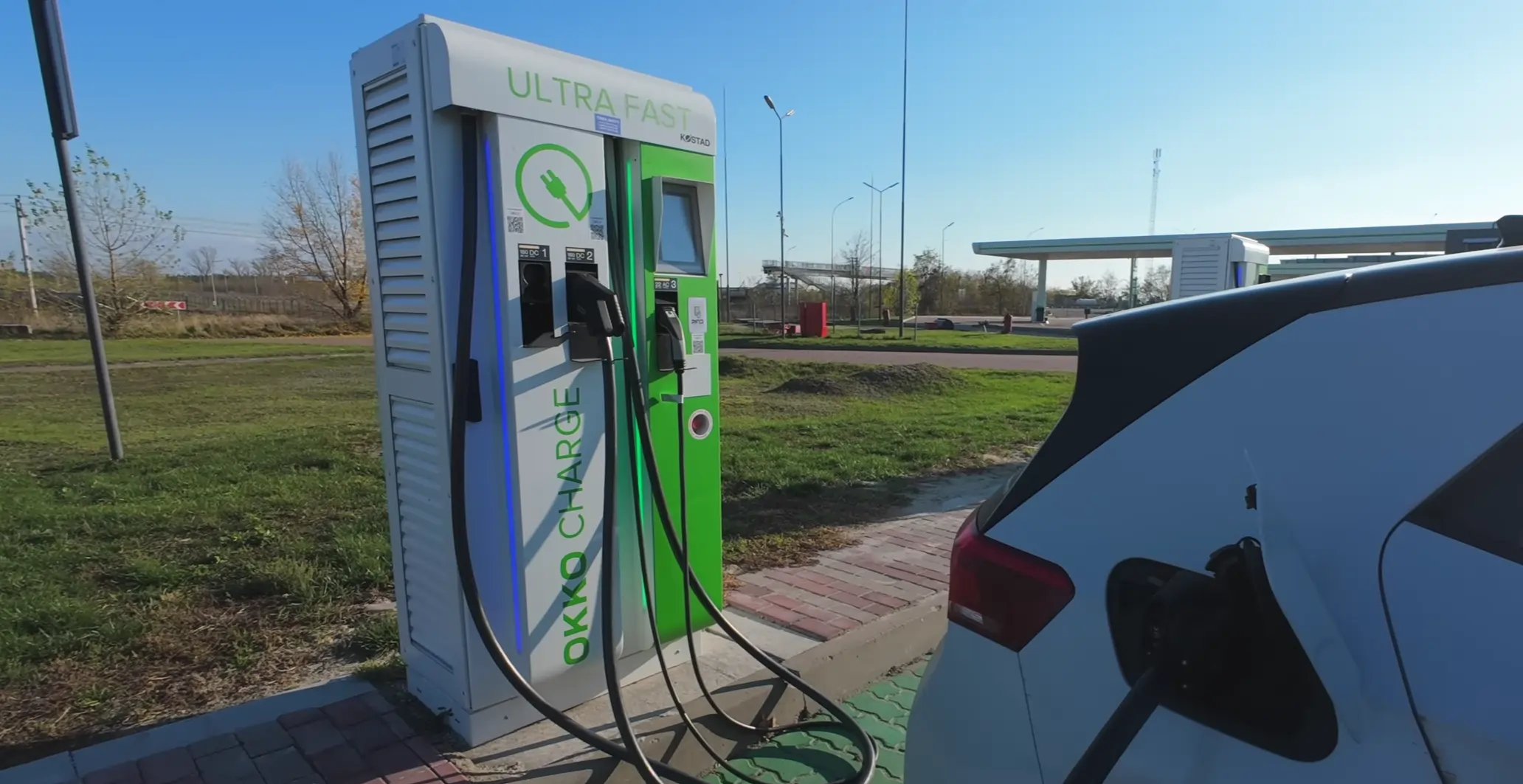

The electric vehicle market has exploded. In March 2026, domestic EV resales grew by 124.6% compared with February — a direct consequence of the fuel shock: diesel reached UAH 86/liter, while A-95 gasoline stays near UAH 72. In the first quarter of 2026 alone, nearly 5,700 electric vehicles were registered.
More electric vehicles mean more questions: where do you charge? Which network is more reliable? How much does it cost? Can you drive from Kyiv to Lviv or Odesa?
In this guide — a full overview of public EV charging networks, current April 2026 prices, connector types, and the best apps for finding chargers.
Looking for a charging station for home (EcoFlow, Bluetti, ALLPOWERS)? That is a different topic — read our review Home Charging Stations 2026 →
Electric vehicle market in 2026 — the essentials in brief
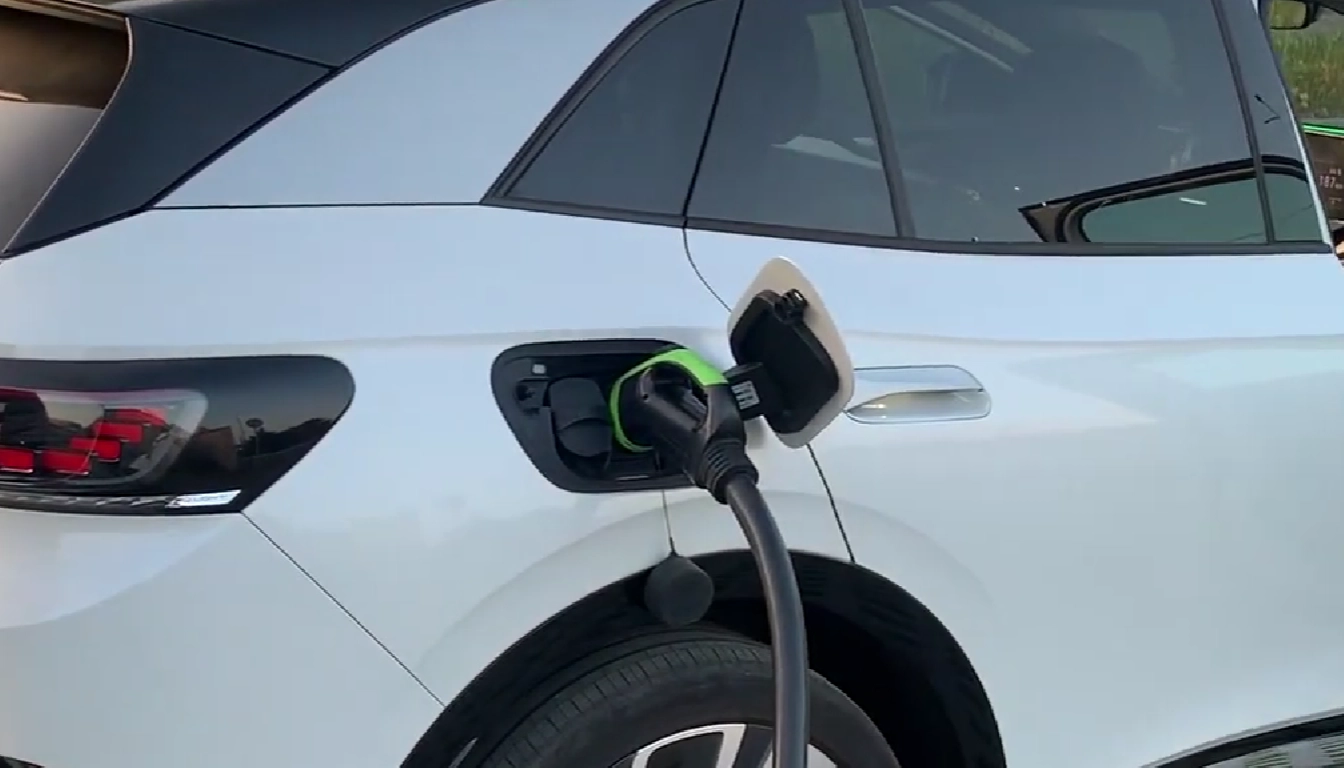
Before moving on to the networks, it is worth understanding the context: why charging infrastructure is developing so quickly.
By the end of 2025, the country’s vehicle fleet had expanded by more than 110,200 BEV electric vehicles, including 22,800 new passenger EVs and 84,400 used imported ones. The March 2026 momentum indicates a shift in the market’s direction: electric vehicles are increasingly taking key positions.
Top reasons for the EV boom:
- Sharp fuel price increases (diesel — UAH 86/l, A-95 — UAH 72/l)
- Cancellation of import duty and VAT on EVs (through 2026)
- Growth in the range of affordable Chinese EVs (BYD, Chery, AITO)
- Expansion of charging infrastructure across the country
As of March 2026, there were 1,485 working high-speed direct-current (DC) charging stations with power above 40 kW. Kyiv region leads the way — nearly one-third of all infrastructure is concentrated there (451 stations).
Types of EV charging stations — what you need to know
Before analyzing networks, let’s sort out the charger types. There are three, and they differ fundamentally in speed.
| Type | Current | Power | Charging time | Where it is found |
|---|---|---|---|---|
| Slow (AC Level 1-2) | Alternating current (AC) | 7–22 kW | 8–12 hours | Parking lots, malls, offices |
| Fast (DC Fast) | Direct current (DC) | 50–150 kW | 1–3 hours | Gas stations, highways |
| Ultra-fast (DC Ultra-Fast) | Direct current (DC) | 150–360 kW | 20–40 minutes | Highway hubs |
Connector types — which one do you have
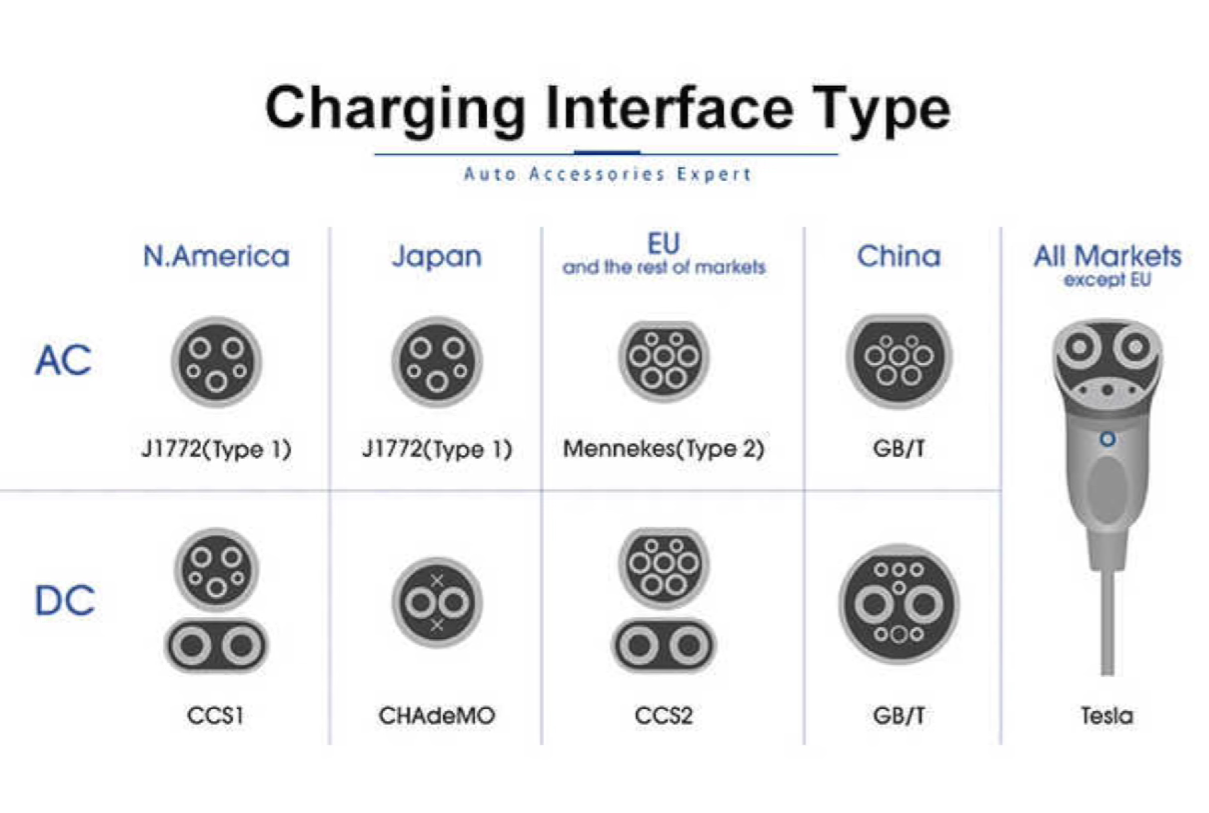
It is also important to know your EV’s connector type:
- Type 2 (Mennekes) — the standard for most European and Chinese EVs. Slow and medium AC charging.
- CCS2 (Combo 2) — fast DC charging. Standard for Tesla (newer models), BMW, VW, BYD, and most new EVs.
- CHAdeMO — DC charging. Mostly Nissan Leaf and Mitsubishi. An aging standard, but still widespread.
- GBT/GB/T — the Chinese standard. Some older BYD models and Chinese imports.
- Type 1 (J1772) — the American AC standard. Some cars from the US.
Tip: before heading to a charger, check your EV documentation to see which connectors it supports. Most modern EVs have CCS2 for fast charging and Type 2 for slow charging.
Main charging station networks in 2026
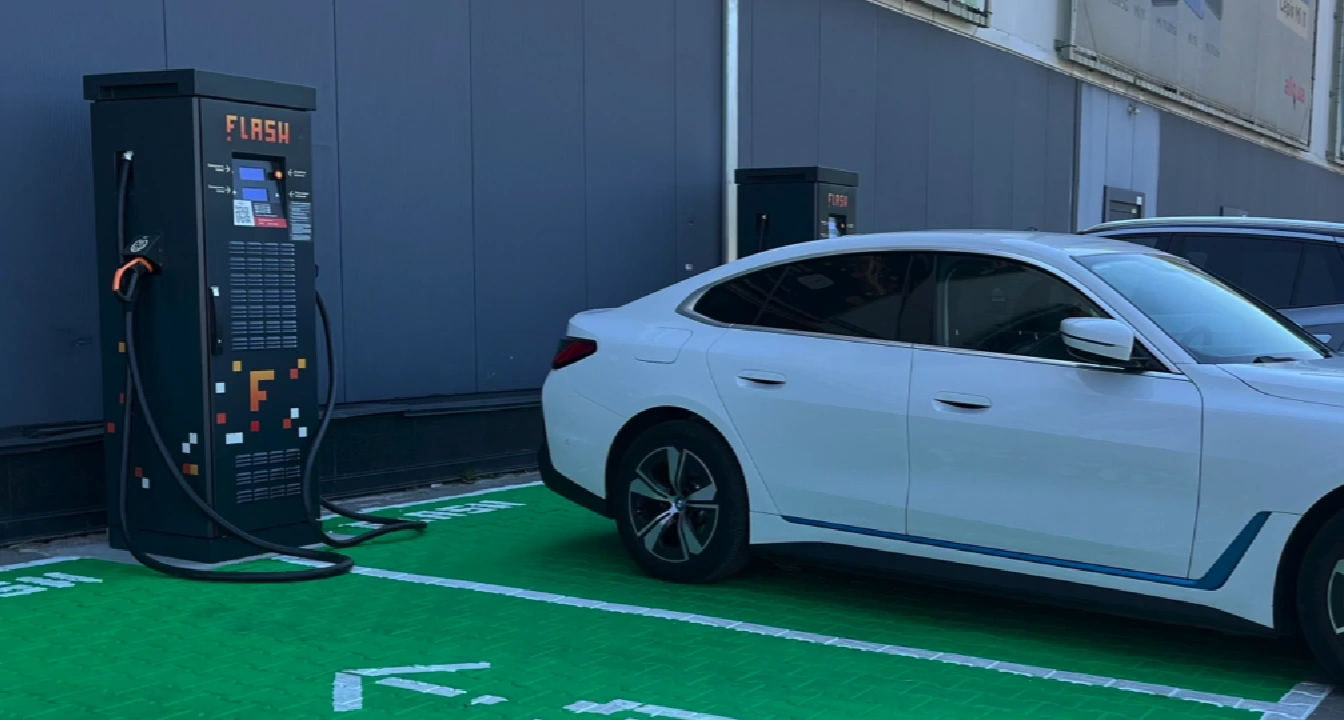
The largest charging station networks are YASNO E-mobility, TOKA, OKKO, and WOG. But that is not the full list — there are also IONITY, ECOFACTOR, AutoEnterprise, and dozens of smaller operators.
TOKA — the most developed network
TOKA is a local network that became the most visible player in the market thanks to strategic partnerships with OKKO and WOG. At the beginning of 2026, WOG and TOKA launched a high-speed EV hub on the Kyiv–Odesa highway.
| Parameter | Details |
|---|---|
| Coverage | Kyiv, Lviv, Odesa, Kharkiv, Dnipro, Rivne, Vinnytsia, Khmelnytskyi, and others |
| Connectors | CCS2, CHAdeMO, Type 2 |
| Power | from 50 to 160 kW (DC) |
| Price (April 2026) | ~UAH 19–21/kWh (DC fast), UAH 15–16/kWh (AC slow) |
| Loyalty program | Fishka — the card is automatically linked by phone number |
| App | TOKA Network (iOS / Android) |
| Where it is located | At OKKO, WOG, SOCAR, UKRNAFTA stations, and separate locations |
TOKA pros: broad geography, stable prices among major networks, partnerships with the country’s two largest fuel chains, Fishka integration.
Cons: queues may occur at popular hubs during peak hours. We recommend planning stops in advance.
YASNO E-mobility — a stable player from the energy sector
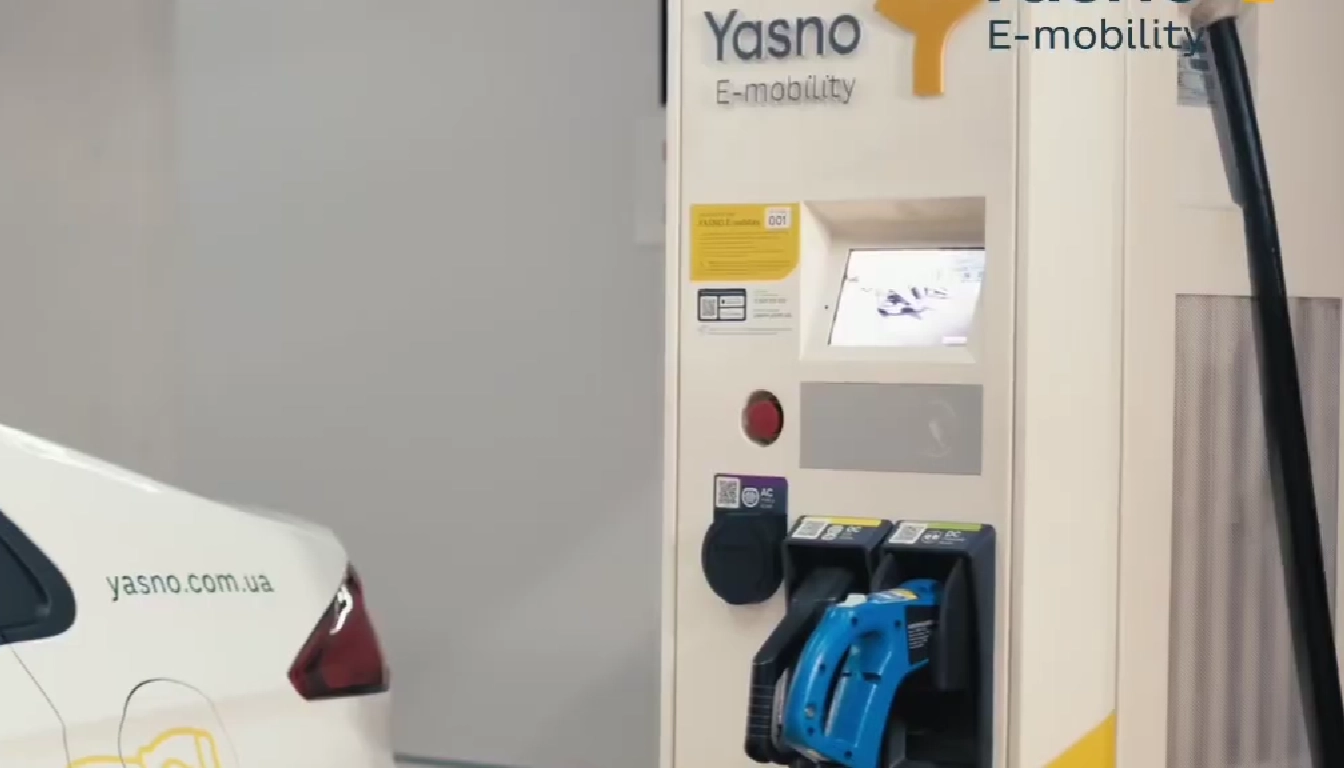
YASNO is a division of DTEK, one of the largest energy holdings. Its charging stations are located mainly in malls, parking facilities, and SOCAR gas stations.
| Parameter | Details |
|---|---|
| Coverage | Kyiv, Odesa, Lviv, Zhytomyr, Dnipro, Vinnytsia, Ternopil |
| Connectors | CCS2, CHAdeMO, Type 2 |
| Power | 50–150 kW (DC), 7–22 kW (AC) |
| Price (April 2026) | ~UAH 23/kWh (single rate for both DC and AC) |
| App | YASNO E-mobility (iOS / Android) |
| Where it is located | Malls, parking lots, SOCAR gas stations |
YASNO pros: convenient city locations, stable station operation, and a clear payment system.
Cons: the flat UAH 23/kWh rate regardless of speed makes slow charging more expensive than at competitors.
OKKO — a classic gas station chain goes electric
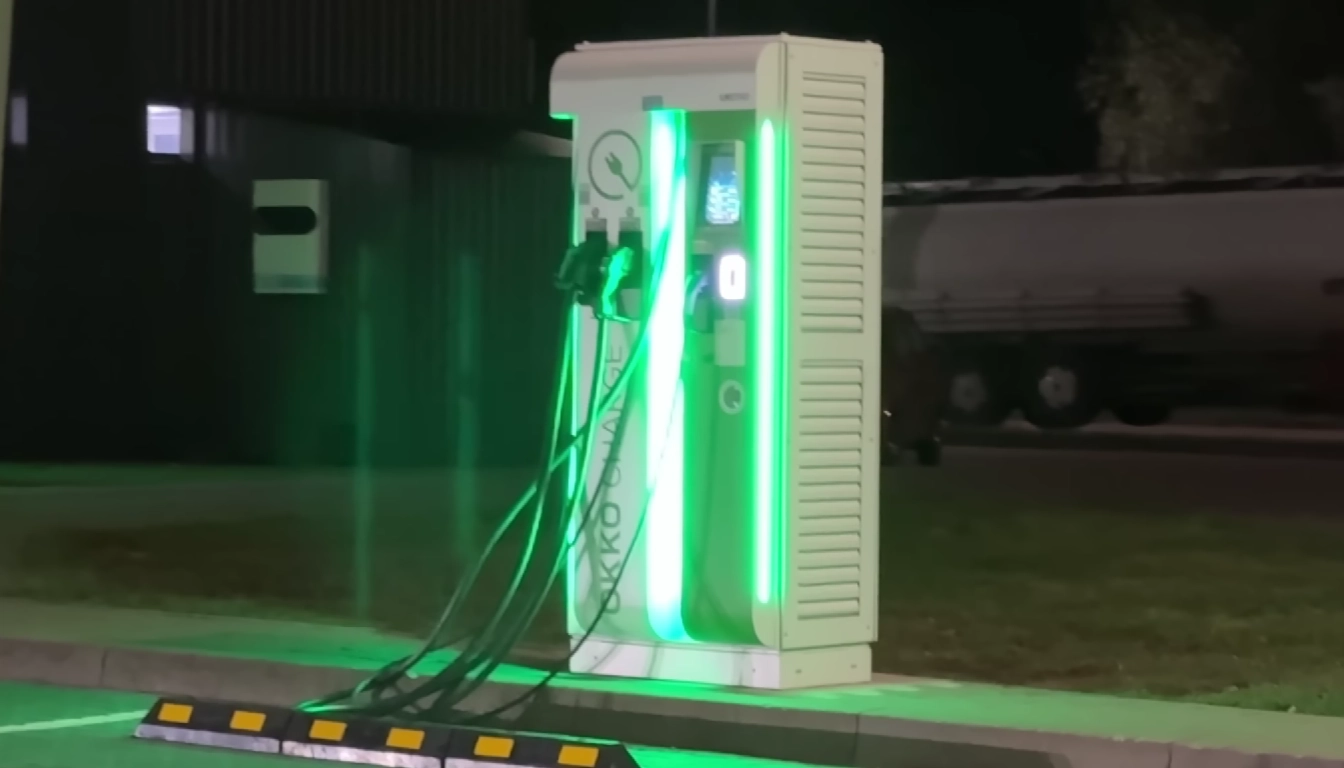
OKKO locations have Type 1, Type 2, CCS, and CHAdeMO chargers installed. Fast chargers with 120 and 150 kW power can charge a car in just 30 minutes.
| Parameter | Details |
|---|---|
| Coverage | 50+ locations nationwide |
| Connectors | Type 1, Type 2, CCS, CHAdeMO |
| Power | up to 150 kW (DC), 22 kW (AC) |
| Price (April 2026) | UAH 11–14/kWh (TOKA tariffs at OKKO stations) |
| Parking | Free during charging (dedicated green spots) |
| Loyalty program | Fishka (through TOKA) |
| Where it is located | OKKO gas stations nationwide and along highways |
OKKO pros: convenient gas station infrastructure (cafe, restroom, shop), free parking, and a wide network of highway locations.
Cons: chargers at OKKO are mostly operated by TOKA, so a separate app is needed. Additional idle-time fees apply after charging is complete.
WOG — active expansion of highway hubs
WOG is another fuel chain actively developing the electric mobility segment. Its special feature: WOG focuses on highway hubs with several fast chargers at one site.
| Parameter | Details |
|---|---|
| Coverage | Kyiv, Kharkiv, Dnipro, Lviv, highways |
| Connectors |
CCS2/GBT DC, Type 2, CHAdeMO |
| Power | up to 160 kW (DC) |
| Price (April 2026) | UAH 10–14/kWh |
| Where it is located | WOG gas stations, charging hubs on highways |
WOG pros: hubs with 4–5 chargers at once on highways reduce the likelihood of queues, plus convenient gas station infrastructure.
Cons: coverage is still smaller than TOKA/YASNO.
IONITY — the fastest and the most expensive
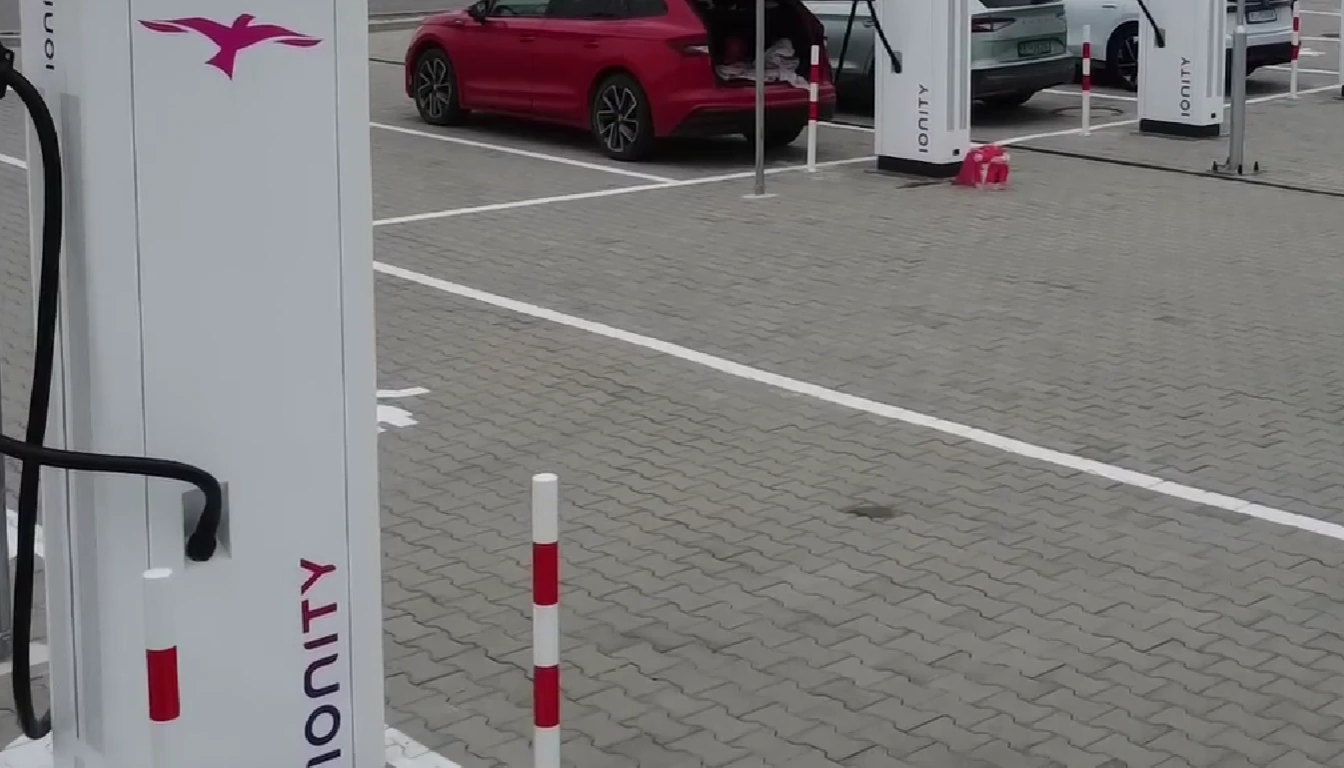
IONITY is a network with local roots that positions itself as premium. It stands out for stability and real-time monitoring of station status.
| Parameter | Details |
|---|---|
| Coverage | Kyiv, Zhytomyr, and other cities |
| Power | 9–160 kW |
| Price (April 2026) | UAH 29.99/kWh — a single rate regardless of power |
| Monitoring | Real time — faulty stations are automatically removed from the map |
| App | Via EcoFactor or its own app |
IONITY pros: stable network, quality control, convenient app.
Cons: in January 2026, IONITY significantly raised its tariff to UAH 29.99/kWh — one flat rate for all power levels. It is the most expensive network in this review.
ECOFACTOR — the largest network by number of ports
ECOFACTOR positions itself as the largest charging network with more than 3,500 charging ports. In addition to its station network, ECOFACTOR is also a platform that aggregates chargers from other operators.
| Parameter | Details |
|---|---|
| Coverage | Across the country (own + partner stations) |
| App | EcoFactor — an aggregator of all networks |
| Price | Depends on the station owner: from UAH 15 to UAH 32/kWh |
| Community | 215,000+ registered drivers |
Special feature: EcoFactor is not only a network, but also an aggregator platform. In its app, you can see chargers from all operators on one map.
Comparison table of charging station networks
| Network | DC fast price | AC slow price | Coverage | Connectors | Loyalty program |
|---|---|---|---|---|---|
| TOKA | ~UAH 19–21/kWh | ~UAH 15–16 | Nationwide | CCS2, CHAdeMO, Type 2 | Fishka |
| YASNO | ~UAH 23 | ~UAH 23 | Major cities | CCS2, CHAdeMO, Type 2 | — |
| OKKO (TOKA) | ~UAH 11–14 | ~UAH 11–14 | Nationwide | Type 1/2, CCS, CHAdeMO | Fishka |
| WOG | ~UAH 10–14 | ~UAH 10–14 | Major cities + highways | CCS2, CHAdeMO, Type 2 | — |
| IONITY | UAH 29.99 | UAH 29.99 | Kyiv + selected cities | CCS2, Type 2 | — |
| ECOFACTOR (platform) | UAH 15–32 | UAH 10–25 | Across the country | Various | — |
Bottom line: for everyday driving and highway travel, TOKA/OKKO/WOG are optimal in terms of price. YASNO is convenient in cities and malls. IONITY is worth using only if there is no alternative.
How much it costs to charge an EV in 2026
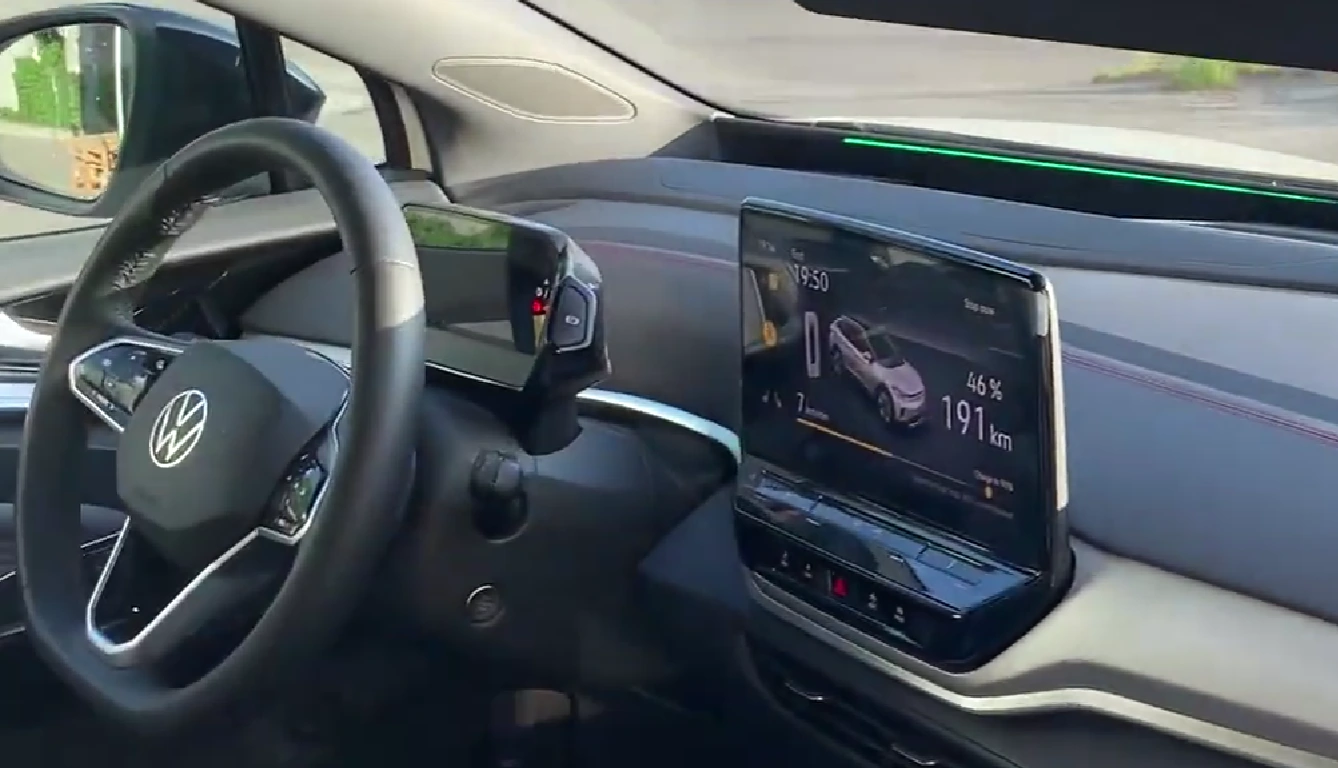
Let’s break it down with real examples — how much charging costs depending on the car and network.
Nissan Leaf (40 kWh battery, 200 km range)
| Network | Price per kWh | Full charge cost (40 kWh) |
|---|---|---|
| TOKA (DC fast) | UAH 20 | ~UAH 800 |
| WOG | UAH 12 | ~UAH 480 |
| IONITY | UAH 29.99 | ~UAH 1,200 |
| At home (night tariff ~UAH 4) | UAH 4 | ~UAH 160 |
Tesla Model 3 (75 kWh battery, 490 km range)
| Network | Price per kWh | Full charge cost (75 kWh) |
|---|---|---|
| TOKA (DC fast) | UAH 20 | ~UAH 1,500 |
| WOG | UAH 12 | ~UAH 900 |
| IONITY | UAH 29.99 | ~UAH 2,250 |
| At home (night tariff ~UAH 4) | UAH 4 | ~UAH 300 |
Important conclusion: home charging remains 4–7 times cheaper than public networks. Public chargers are for travel and emergency situations.
Comparison with gasoline
For reference: a full charge for a Tesla Model 3 at a highway charger for UAH 1,500 (TOKA) provides 490 km of range. An equivalent amount of A-95 gasoline (approximately 50 liters for a gasoline car of a similar class) would cost around UAH 3,600. So even on public chargers, an EV is 2–2.5 times cheaper than gasoline.
Routes — is it possible to travel between cities and highways
One of the main questions beginners ask is: “Will I get stranded with an empty battery?”
Kyiv → Lviv (~540 km)
Driving from Kyiv to Lviv in an EV is not a problem. Popular charging points include: TOKA at an OKKO gas station (CCS 150 kW) in Kalynivka, IONITY in Zhytomyr, YASNO E-mobility in Rivne region, AutoEnterprise at WOG in Rivne region, and TOKA at an OKKO gas station in Brody.
Recommended charging plan: 2–3 stops of 20–30 minutes each at fast chargers. Total travel time including charging: 7–8 hours.
Kyiv → Odesa (~480 km)
WOG and TOKA launched a high-speed EV hub on the Kyiv–Odesa highway. In Uman, a fast charging hub with 12 connectors has been opened.
Recommended plan: 2 stops (Uman + one more point). Travel time: 6–7 hours including charging.
Charging in major cities
- Kyiv — the best coverage. Chargers in malls, parking lots, and near office centers. 451 fast charging stations in Kyiv region alone.
- Lviv — an active EV market, with good TOKA, YASNO, and OKKO coverage.
- Odesa — TOKA, YASNO, and OKKO are represented in the city and at the exits.
- Dnipro — active growth (+9 new stations in February 2026 alone).
- Kharkiv — continued growth despite its frontline proximity.
Top 5 apps for finding charging stations
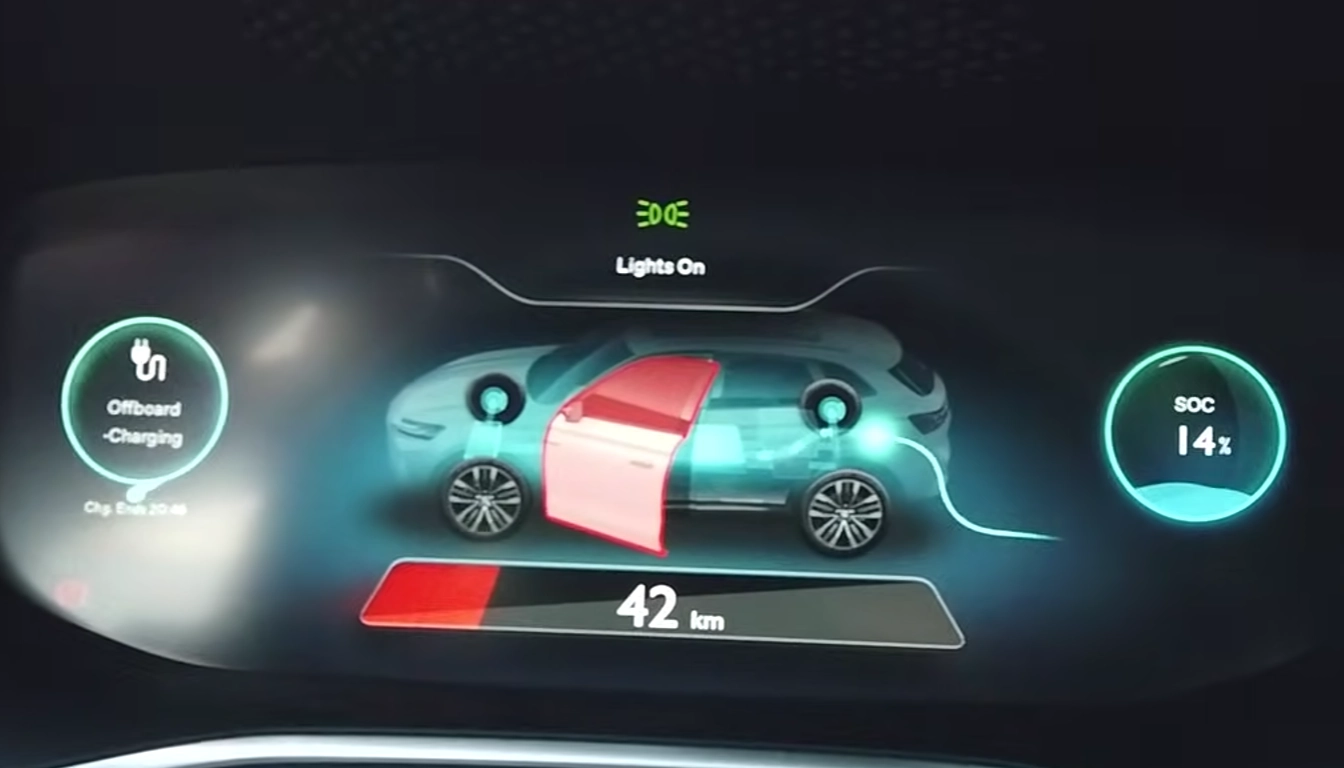
Knowing the networks is good. But on the road, it is more convenient to have one app with a map of all chargers.
1. EcoFactor — the No. 1 aggregator
EcoFactor is the most complete charging station map. It aggregates points from TOKA, YASNO, OKKO, WOG, IONITY, and hundreds of small operators. It shows real-time availability, prices, and connector types.
Who it is for: all EV owners. It is the first app worth installing.
2. TOKA Network — the official TOKA app
If you mostly drive within the TOKA/OKKO/WOG network, this is your main app. It includes payment, the Fishka program, and real-time charging status.
3. PlugShare — an international map
PlugShare is a global charging station aggregator that covers the local market well. It is useful for international trips and for finding private chargers (at people’s homes).
Who it is for: those traveling abroad or wanting to see all chargers, including private ones.
4. Google Maps
Yes, regular Google Maps. Enter “electric vehicle charging station” or “EV charging,” and you will see nearby points with reviews and opening hours. Not as detailed as EcoFactor, but always at hand.
5. YASNO E-mobility
The official app of the YASNO network. If you use its stations often, it is convenient to keep it separately for payment and monitoring.
Tips for EV owners
Plan your route in advance. Before a long trip, open EcoFactor or PlugShare and place your charging stops. On popular highways (Kyiv–Lviv, Kyiv–Odesa), the infrastructure is already developed, but queues may occur during peak hours.
Do not wait for 0%. The optimal strategy is charging from 20% to 80% — it is both faster (the battery charges faster up to 80%) and healthier for the battery.
Home charging is the foundation. If you can install a home charger — do it. It is 4–7 times cheaper than public networks and the most convenient option (charge at night, wake up with a full battery).
Install several apps. EcoFactor is the main map app. TOKA Network is for paying within TOKA. YASNO is useful if its stations are on your route. PlugShare helps you find rare points.
Fishka loyalty program. If you have a Fishka card from OKKO, link it to the TOKA app. Bonuses are accumulated with every charging session.
Idle parking costs money. At OKKO and some other networks, after charging is complete, an additional fee is charged for the time the car remains plugged in. Once you are charged, unplug.
Frequently asked questions about EV charging (FAQ)
How much does it cost to charge an EV in 2026?
It depends on the network and type of charging. Average April 2026 prices: TOKA — UAH 19–21/kWh (DC), WOG — UAH 10–14, YASNO — UAH 23, IONITY — UAH 29.99. At home on a night tariff — around UAH 3.5–5/kWh.
Where can I find a map of EV charging stations?
The most convenient options are the EcoFactor app (an aggregator of all networks), TOKA Network (TOKA/OKKO/WOG network), and PlugShare (international). Google Maps also shows chargers.
Are there chargers on highways between major cities?
Yes, the main highways are already well covered. Kyiv–Lviv and Kyiv–Odesa are easy routes, with 2–3 stops of 20–30 minutes. Less popular directions may still have gaps — check your route in advance.
Which app should I install to find chargers?
Start with EcoFactor — it aggregates the largest number of chargers from different operators on one map. Also install TOKA Network for payments.
Is it safe to charge in the rain?
Yes. Modern charging stations have the necessary level of moisture protection and are designed for outdoor use. Sockets and connectors are safe in the rain.
How do you charge an EV if you do not have home parking?
Use public infrastructure: mall parking lots with slow chargers (leave the car for several hours), fast chargers at gas stations (20–45 minutes). For regular use without home charging, choose networks with subscription options.
Which is better: TOKA or YASNO?
For most situations — TOKA: more points (including OKKO and WOG), lower DC charging prices. YASNO is convenient if their stations are nearby in a mall or parking facility.