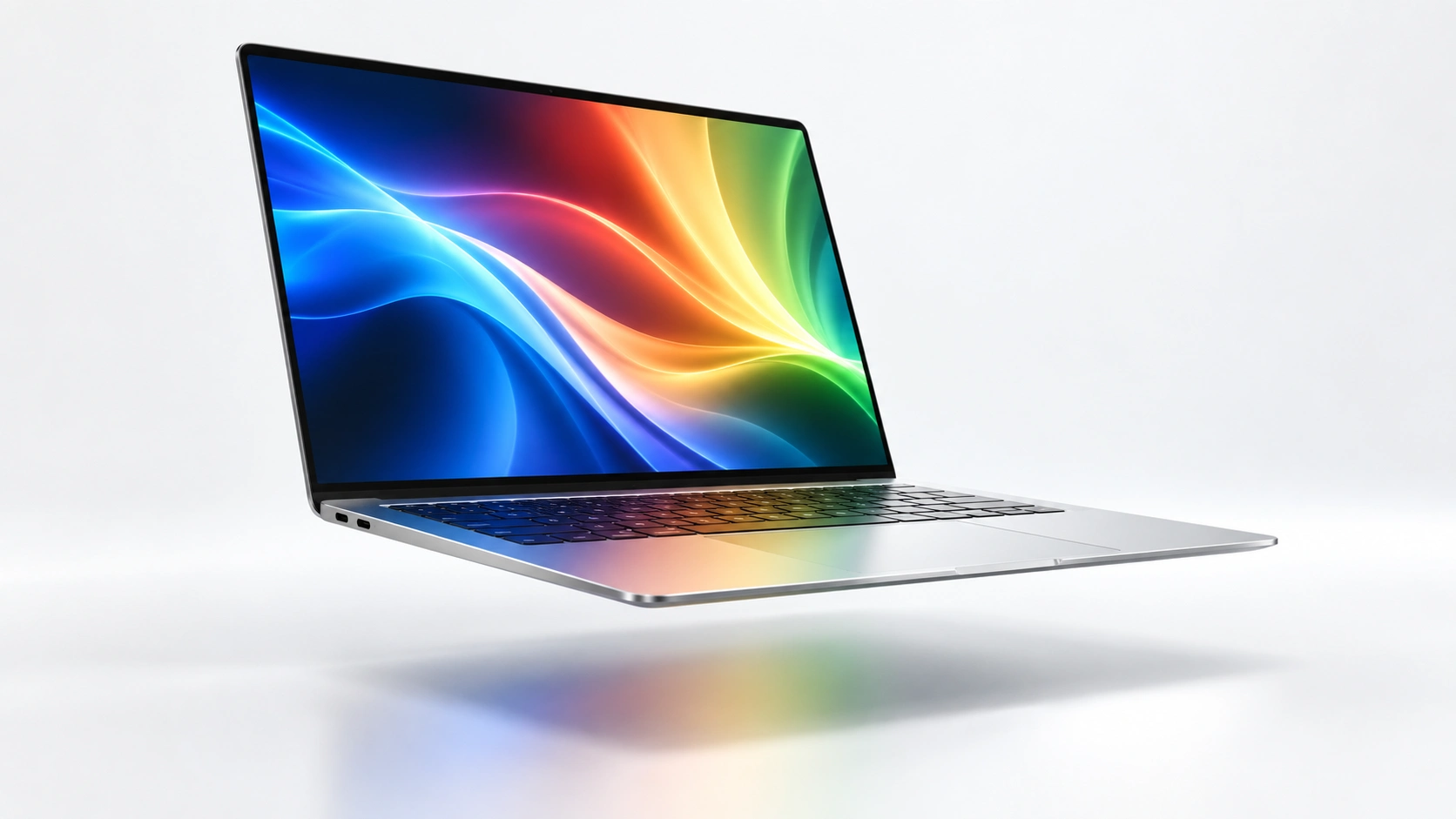

Googlebook is a new category of laptops from Google with an operating system tightly integrated with Android and Gemini. Pre-orders opened on September 21, and on October 4, 2026, Googlebook went on sale in the U.S. (in other countries on the official list — October 5). Below are five models, prices, chips and what still remains unknown.
What Is Googlebook and How Is It Different from Chromebook
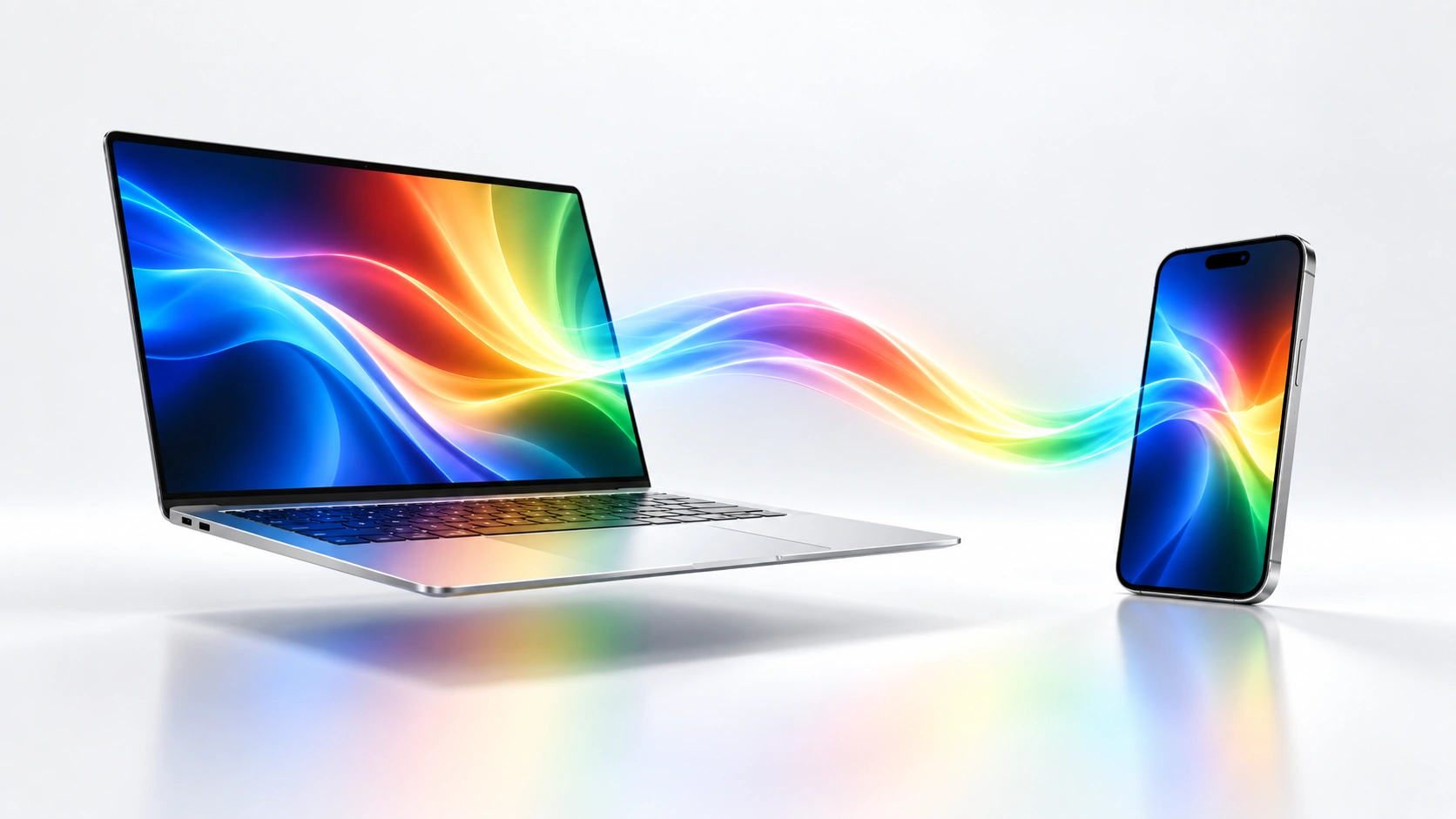
Googlebook was announced back on May 12, 2026. Unlike Chromebook, which for years was built around the Chrome browser, Googlebook runs on its own Googlebook OS. Google positions it as an extension of the Android ecosystem: the phone and laptop are meant to work as a single device, while Gemini is built into the system rather than offered as a separate app.
The laptops are manufactured by five partners: Acer, ASUS, Dell, HP and Lenovo. This is a familiar model for Google — manufacturers build the hardware, while Google is responsible for the operating system and services.
Googlebook Release Date
- May 12, 2026 — category announcement
- September 21, 2026 — pre-orders opened
- October 4, 2026 — sales started in the U.S.
- October 5, 2026 — launch in other countries on the official list
Whether Ukraine is included in this list has not been confirmed in public sources. Before buying, check the official Google Store and local partners.
Googlebook Models and Prices
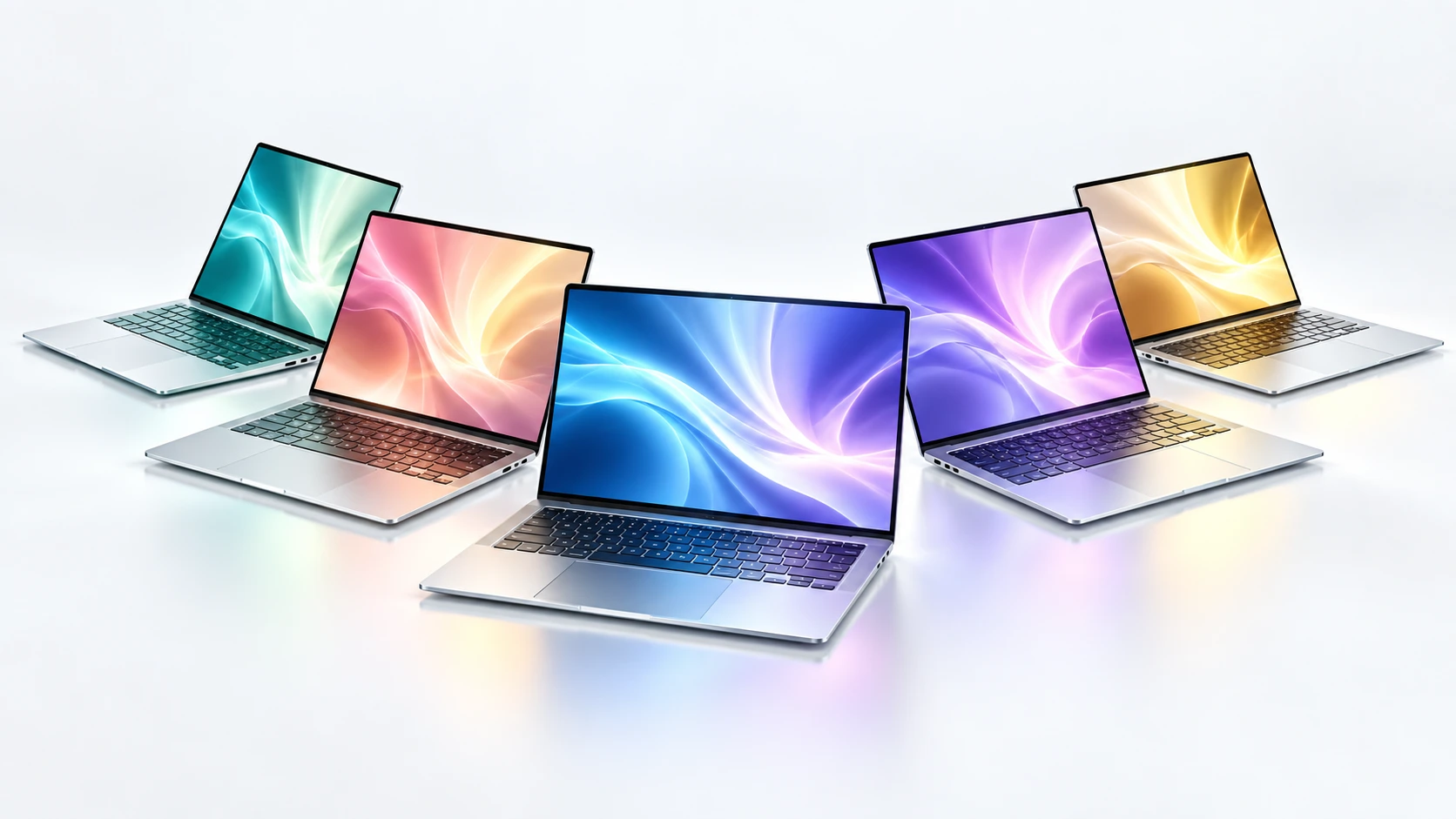
Five models are available at launch:
| Model | Price | Processor | Display | Weight | Battery life (claimed) |
|---|---|---|---|---|---|
| Acer Googlebook 14 | $899 | Intel Core Ultra 5 | 14″ 2.8K OLED | 2.51 lb (≈1.14 kg) | up to 16 hours |
| Dell XPS Googlebook | $999 | Snapdragon X Elite | 13.4″ 2.5K LCD | 2.2 lb (≈1.0 kg) | up to 18 hours |
| Lenovo Googlebook 15 | $1,099 | Intel Core Ultra 5 | 15.3″ 2.8K OLED | 2.84 lb (≈1.29 kg) | up to 13 hours |
| ASUS Googlebook 14 | $1,299 | Intel Core Ultra 5 | 14″ 2.8K OLED | 2.2 lb (≈1.0 kg) | up to 16 hours |
| HP Googlebook 14 | $1,299 | Snapdragon X Elite | 14″ 2.8K OLED | 2.74 lb (≈1.24 kg) | up to 19 hours |
Battery-life figures are manufacturer claims measured under laboratory conditions; in real-world use, they are usually lower. The amount of RAM and storage was not specified in the sources we analyzed, so we do not list them.
Interestingly, two models run on Qualcomm Snapdragon X Elite processors (Dell and HP), while three use Intel Core Ultra 5. This means Googlebook is not tied to a single architecture.
Intel or Qualcomm: Which Processor to Choose
Three of the five models run on Intel Core Ultra 5, while two use Qualcomm Snapdragon X Elite. Intel processors are generally more compatible with older software and offer a more universal performance profile. Qualcomm chips based on the Arm architecture are known for energy efficiency: it is no coincidence that the Dell XPS and HP models using Snapdragon have the highest claimed battery life — 18 and 19 hours. If working away from a charger matters more to you, look at Snapdragon models; if you need maximum flexibility, consider Intel.
Displays: OLED vs LCD
Four of the five models have 2.8K OLED displays, while the Dell XPS Googlebook uses a 13.4-inch 2.5K LCD. OLED provides deep blacks and vivid colors, making it better suited for movies and photo work. LCD is usually cheaper and less prone to burn-in, so it can be a sensible choice for office tasks. The largest display — 15.3 inches — is found on the Lenovo.
Gemini on Googlebook: What We Know
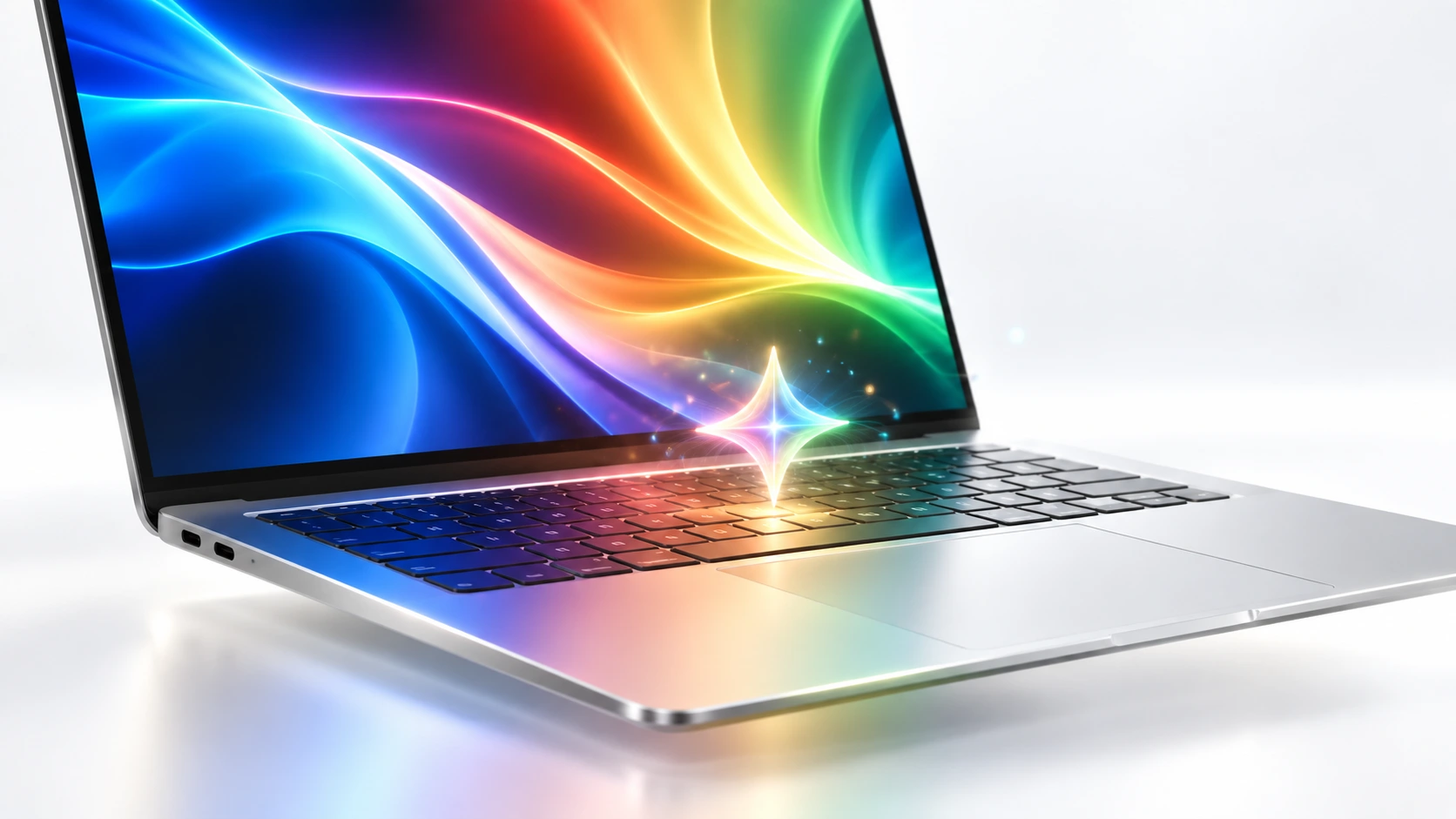
According to reports from specialized publications, the system includes three features built around Gemini: Magic Pointer, Rambler and Create My Widget. Google presents them as examples of “system-level AI.” Detailed descriptions of how each feature works were not available in the sources we verified, so we will not invent details — we will wait for independent reviews.
There are also reports of purchase bonuses: 12 months of Google AI Pro, cloud storage and limited-time offers for YouTube Premium and Photoshop. The contents and duration of the bonuses may vary by country, so check the terms when ordering. There are also mentions of long-term support with regular feature updates — up to 10 years — but this should be verified in Google’s official terms.
Googlebook vs Chromebook and Windows Laptops
The main question readers ask is: why did Google create a new category if Chromebook already exists? The answer is strategy. Chromebook has historically been a budget laptop for browser use and education. Googlebook is positioned more broadly: prices starting at $899 point to the mid-range and premium segments, while OLED displays and Intel Core Ultra 5 and Snapdragon X Elite processors indicate competition with thin Windows laptops and MacBooks.
When comparing it with a Windows laptop, the main difference is not the hardware but the system: Googlebook OS is built around Android and Gemini rather than classic desktop applications. Whether it has enough apps for everyday tasks will become clear from independent reviews in the coming weeks.
What to Check Before Buying a Googlebook
If you are considering a Googlebook, check four things:
- Availability in your country. The October 5 launch applies only to countries on Google’s list, and Ukraine has not been officially confirmed.
- Configuration. The amount of RAM and storage was not specified in the sources we analyzed, so compare specifications on the page for the specific model.
- Real battery life. The 13–19 hour figures are manufacturer claims. Wait for video-playback and office-use tests.
- Bonus and support terms. Google AI Pro subscriptions and other offers may be limited by time and region.
Also remember that the first wave of a new platform is usually bought by enthusiasts: system issues are fixed through updates, and early reviews often change the overall perception of a product.
Who Googlebook Is For
- Android and Pixel users who want their phone and laptop to work together
- Students and people who need a lightweight laptop for studying, browser work and documents
- People interested in AI features without separate subscriptions for every service
If you need demanding Windows applications or professional video editing, it is worth waiting for tests: whether familiar apps will run has not yet been confirmed.
Who Is Behind the Five Models
The partner lineup shows that Google is targeting the mass market rather than a single exclusive device. Acer offers the most affordable model, Dell the compact and lightest one, Lenovo the largest display, while ASUS and HP offer flagship versions at $1,299. This variety lets buyers choose by budget and size, while giving Google a chance to quickly build a user base on which the operating system and Gemini features can evolve.
Practical Checklist for Buying a New Laptop
Regardless of platform, it is worth going through the basics before buying a laptop. Check the port selection: are there enough USB-C ports, is there a monitor output and a memory-card slot? Look at the keyboard and touchpad — for people who type a lot, these matter more than another gigahertz. Assess the webcam and microphone quality if you often make video calls. Do not ignore weight: the difference between 1 kg and 1.3 kg is noticeable when carrying a laptop every day. Finally, check warranty and service options in your country: for devices that are not officially sold locally, repairs can be difficult.
Conclusion: Is It Worth Buying at Launch
A new platform is always a balance between curiosity and risk. Early buyers get the newest technology, but they are also the first to encounter rough edges. If you need a lightweight laptop for study and work and already use Android, the first models look attractive starting at $899. If the laptop is needed for mission-critical work, it is smarter to wait for independent tests and availability in your country.
What to Expect from Googlebook Next
The next few weeks will show the most important thing: how Googlebook performs in real-world use. It is worth following independent reviews of battery life, display quality, Gemini feature speed and how well the system works with the apps you use every day. It will also matter whether Google expands the list of countries and whether official partners appear in Ukraine and Europe. Until then, the most practical advice is to compare models by price, weight and display, and not rush into a purchase before the first tests.
In Brief: The Key Points
- Googlebook — a new category of Google laptops with its own Googlebook OS and built-in Gemini
- October 4, 2026 — sales started in the U.S.; October 5 — launch in other countries on the list
- Five models: Acer, Dell, Lenovo, ASUS, HP; prices from $899 to $1,299
- Processors: Intel Core Ultra 5 and Snapdragon X Elite
- Claimed battery life — from 13 to 19 hours
- RAM, SSD and availability in Ukraine were not officially confirmed in our sources
FAQ
What is Googlebook? It is a new category of laptops from Google running Googlebook OS, closely integrated with Android and Gemini. The devices are manufactured by Acer, ASUS, Dell, HP and Lenovo.
When was Googlebook released? Pre-orders opened on September 21, 2026, sales started on October 4 in the U.S. and October 5 in other countries on the list.
How much does Googlebook cost? Prices start at $899 (Acer Googlebook 14) and go up to $1,299 (ASUS Googlebook 14 and HP Googlebook 14).
Is Googlebook the same as Chromebook? No. Chromebook is based on ChromeOS and the Chrome browser, while Googlebook runs Googlebook OS with deeper Android and Gemini integration.
Can you buy Googlebook in Ukraine? There is no official confirmation of a launch in Ukraine in the sources we analyzed. Check Google Store and local retail partners.
Which Googlebook model is the cheapest, and which is the lightest? The cheapest is Acer Googlebook 14 at $899. The lightest by claimed weight are Dell XPS Googlebook and ASUS Googlebook 14 (about 2.2 lb, approximately 1 kg).
Which Googlebook model lasts the longest away from a power outlet? HP Googlebook 14 has the highest claimed battery life — up to 19 hours. Dell XPS Googlebook is rated for up to 18 hours. These are manufacturer figures; real-world results are usually lower.