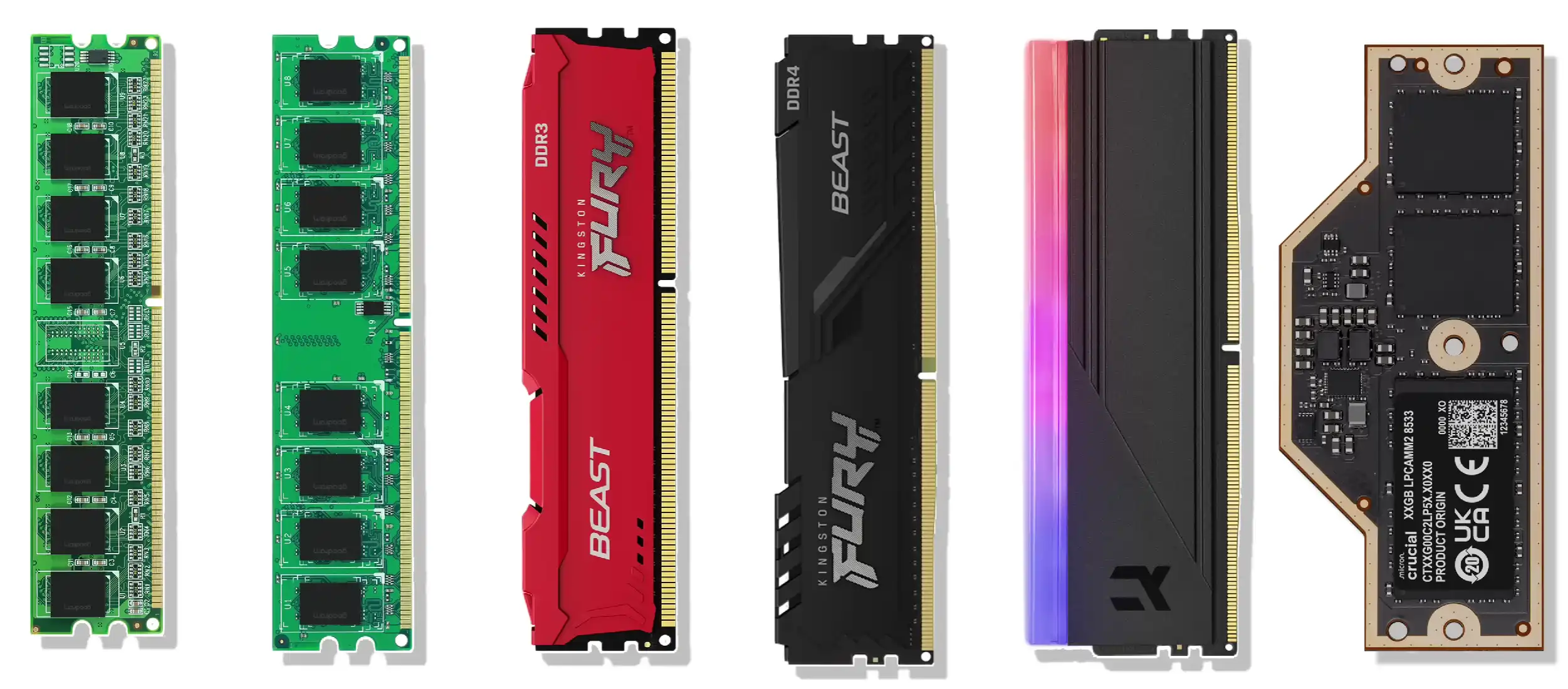

RAM prices are rising — and according to Micron CEO Sanjay Mehrotra, relief should not be expected before 2028. This is not just another cyclical production downturn. It is a structural shift: artificial intelligence is consuming all available DRAM production capacity — and ordinary consumers who want to buy 16 or 32 GB of RAM for a laptop or PC are ending up at the back of the line.
What Micron’s CEO Said and Why It Matters
Micron is one of the world’s three largest memory manufacturers, alongside Samsung and SK Hynix. These three companies control more than 95% of global DRAM production. So when Micron’s CEO publicly talks about a shortage, this is not an analyst’s forecast — it is direct testimony from a person who manages manufacturing capacity.
Sanjay Mehrotra confirmed that the company expects the memory shortage to continue “beyond calendar year 2026.” Micron’s new plants in Idaho will begin producing chips only in mid-2027. The New York fab will move into production closer to 2030. Until then, there will be no significant increase in supply.
According to forecasts, the HBM memory market will reach $100 billion by 2028 — surpassing the entire DRAM market of 2024.
Why AI Is Taking Your RAM
To understand why 16 GB and 32 GB RAM is becoming scarce, you need to know how modern AI works.
Neural networks need a special type of memory for training and inference — HBM (High Bandwidth Memory). This is ultra-fast memory installed directly on Nvidia GPU chips for AI servers. The problem is that HBM consumes three times more silicon wafer area than regular DDR5 memory — and every square centimeter of manufacturing capacity allocated to HBM means less DDR5 and LPDDR6 for laptops and smartphones.
Zero-Sum Game: How AI Servers Take Memory Away From Consumers
IDC describes the situation clearly: it is a zero-sum game. Every wafer allocated to an HBM stack for an Nvidia GPU is a wafer that will not go to an LPDDR5X module in a mid-range smartphone or an SSD in a laptop.
Amazon, Microsoft Azure, Google Cloud, Meta and ByteDance are placing huge open orders for DRAM. These commitments absorb large volumes of chips before they ever reach smaller buyers. Small businesses, laptop manufacturers and regular retail customers get what is left.
Micron Shut Down Crucial — and That Is a Signal
In December 2025, Micron announced the shutdown of Crucial — its consumer memory and SSD brand. The official explanation: the company is refocusing on “larger strategic customers.” This directly shows the priorities: AI giants are more important than retail buyers.
How Much RAM Prices Have Increased
The numbers are striking. TrendForce expects average DRAM prices to rise by 50-55% compared with the fourth quarter of 2025 — an analyst called this level of growth “unprecedented.”
What this means in practice for an ordinary buyer:
- 16 GB DDR4 RAM for a laptop has risen in price by 30-40% over the year
- 32 GB DDR5 RAM is roughly twice as expensive compared with 2023 prices
- A 2×16 GB DDR5 kit for a desktop PC may cost more than a mid-range graphics card
PC Gamer put it well: “A fast memory kit can now cost more than a graphics card.”
How the RAM Shortage Affects Laptops, Smartphones and Game Consoles
Rising raw-material prices are always passed on to the final product — and memory is no exception.
Laptops
Laptop manufacturers face two options: raise the device price or reduce the amount of memory in the base configuration. Many choose the second path — hence the trend of laptops with 8 GB of RAM in 2026, even in the $700+ segment. Asus warned that “people will be surprised” when the RAM shortage is reflected in prices for laptops, phones and game consoles.
Smartphones
LPDDR5X — RAM for smartphones — is also in short supply. The iPhone 18 Pro will receive 12 GB of LPDDR6, and its high price is partly explained by the cost of this component. Android flagships with 12-16 GB of RAM are becoming noticeably more expensive.
Game Consoles and Graphics Cards
PS5 and Xbox Series X use unified GDDR6 memory. New graphics cards — RTX 5060, RTX 5070 — also depend on memory. Manufacturers are trying to hold retail prices, but margins are being squeezed.
When RAM Prices Will Go Down
Memory manufacturers are signaling that the earliest relief will come in 2027-2028, when new fabs begin producing consumer DRAM. But even that does not guarantee a sharp price drop:
- Micron’s Idaho plant: production from mid-2027
- SK Hynix fabs in Korea and the U.S.: production from 2027 at best
- Micron’s new plant in Japan: no earlier than 2028
- Samsung’s Texas plant: limited initial capacity
New research states that there is “no scenario in which memory prices correct in the second half of 2027.” Real relief is 2028 and later.
What to Do Now: Advice for Buyers
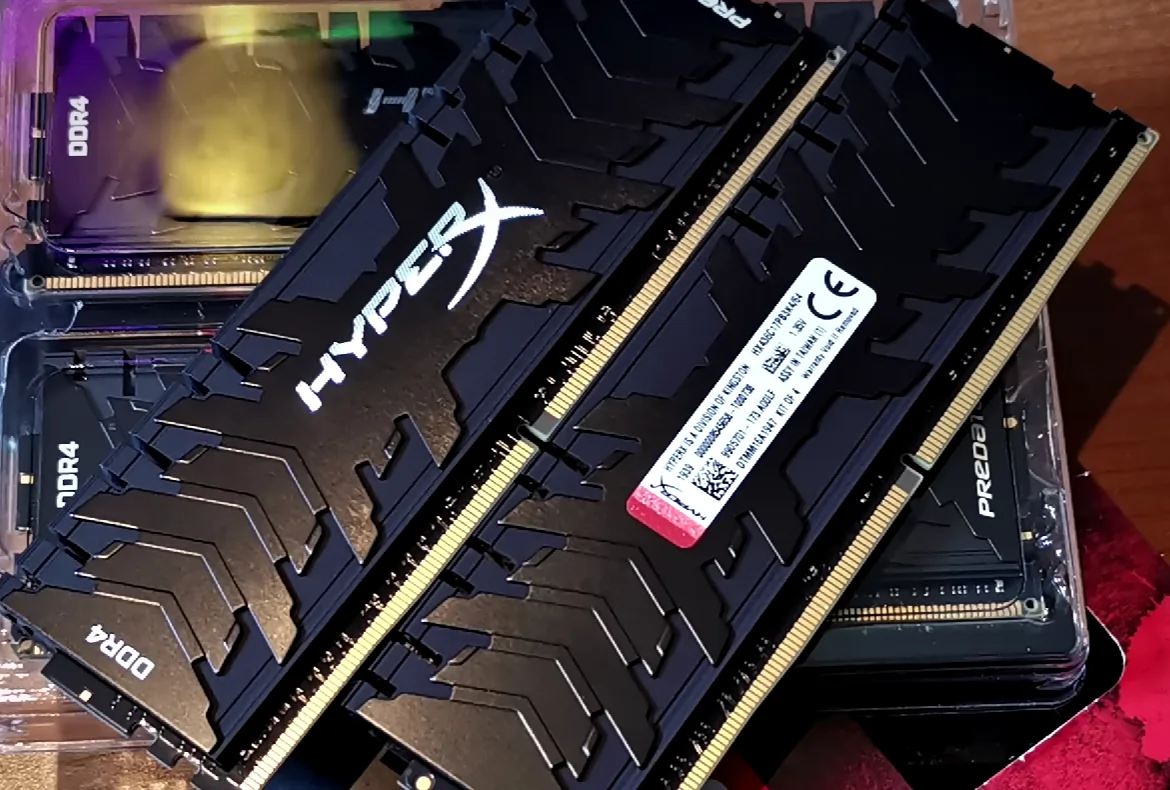
If you plan to buy a laptop, upgrade a PC or purchase a smartphone, the RAM shortage affects you directly. Here are practical recommendations.
Buy memory now if you need it. DDR4 and DDR5 prices will continue to rise until the end of 2026 and the beginning of 2027. If you plan to upgrade your laptop to 16 or 32 GB, do it now before prices climb even higher.
When choosing a laptop, get more RAM right away. A laptop with 16 GB of RAM already costs noticeably more than one with 8 GB. But in a year, the difference in the price of the memory itself may become even larger — and in some ultra-thin models, RAM cannot be replaced at all.
Pay attention to DDR4 vs DDR5. DDR4 is still slightly more affordable than DDR5 — but choose a platform with the future in mind: Intel 13th-generation processors and AMD Ryzen 7000+ are moving to DDR5 as the standard.
For Stable Diffusion and local AI: if you generate images locally, 32 GB of RAM is becoming the standard, not a luxury. When VRAM is insufficient, the model “spills over” into RAM, and having more memory provides a real benefit.
In Brief: The Key Facts About the RAM Shortage
- RAM is getting more expensive because of AI — artificial intelligence is consuming DRAM manufacturing capacity
- The shortage will last until 2027-2028 — new Micron, Samsung and SK Hynix plants are still under construction
- HBM for AI GPUs consumes three times more manufacturing capacity than DDR5 for PCs
- Prices have risen by 50-55% compared with Q4 2025 — and will continue to grow
- Affected categories: laptops, smartphones, graphics cards, game consoles
- What to do: buy memory now, choose more RAM when buying a laptop
FAQ
Why is RAM getting more expensive in 2026? Because of demand for HBM memory for AI servers. Nvidia, Microsoft, Google and Meta are buying up all available production capacity. Consumer DDR4, DDR5 and LPDDR modules are produced at the same fabs — and fewer of them are being made.
When will RAM prices go down? Micron, Samsung and SK Hynix expect relief no earlier than 2027-2028, when new fabs begin producing consumer memory. Until then, prices will remain elevated.
How much RAM do you need in 2026? For a regular laptop — at least 16 GB, with 32 GB recommended. For PC gamers and local AI (Stable Diffusion), 32 GB is the new comfortable standard. 8 GB is no longer enough for full-fledged work.
Will the RAM shortage affect the price of the iPhone 18 Pro? Yes. The iPhone 18 Pro will use 12 GB of LPDDR6 — a scarce and expensive type of memory. This is one of the reasons analysts expect the price to stay at $1099+ without a reduction.
The article was prepared by the TechVisor team — practical IT media for people.